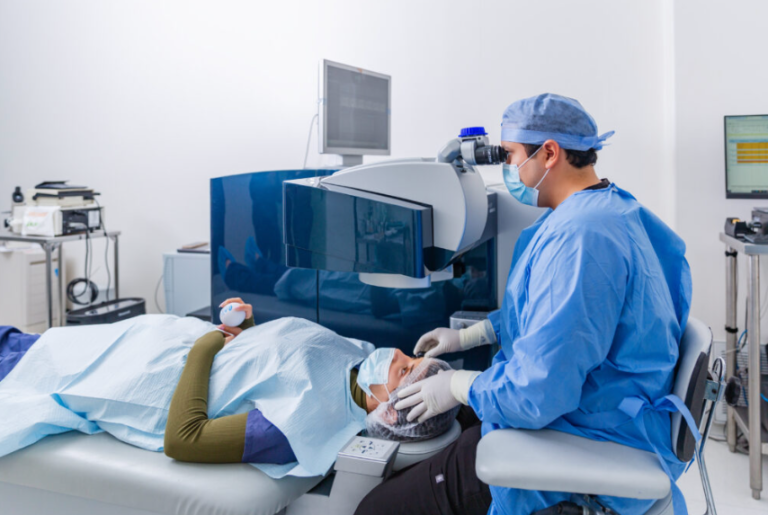

When facing a cancer diagnosis, patients increasingly look beyond their home countries for treatment options. The reasons vary: access to cutting-edge therapies not yet approved locally, shorter waiting times, multidisciplinary care models, or simply a second opinion from specialists with different approaches. Yet the research process often focuses on the wrong comparisons, leading patients to miss critical factors that determine treatment success.
The Price Comparison Trap
Most medical tourists begin their search by comparing treatment costs across countries. A chemotherapy regimen quoted at one price in London, another in Bangkok, and yet another in Abu Dhabi creates the illusion of an apples-to-apples comparison. The reality is far more complex. What appears as a simple price difference often reflects fundamentally different care models, drug protocols, monitoring frequencies, and support services.
The itemized cost rarely includes the full picture. Does the quoted price cover genetic testing to identify the most effective targeted therapies? What about imaging scans every two cycles to assess response? Are supportive medications for managing side effects included, or billed separately? The management of treatment complications can add substantial costs that never appear in initial quotes. Just as with other medical procedures, the headline price tells only part of the story.
Infrastructure and Technology That Actually Matter
Cancer treatment has become increasingly dependent on diagnostic precision. The difference between a standard CT scan and a PET-CT scan with advanced imaging protocols can change staging, treatment selection, and monitoring approaches entirely. Facilities that invest in AI-powered imaging analysis can detect progression or response patterns weeks earlier than conventional interpretation alone.
Radiation oncology offers a clear example. Modern linear accelerators with image-guided capabilities allow millimeter precision in targeting tumors while sparing surrounding tissue. Older equipment requires larger safety margins, increasing the risk of side effects. Yet many patients never ask about the age or capabilities of radiation equipment, focusing instead on whether radiation therapy is offered at all.
Laboratories processing pathology samples and molecular testing represent another critical infrastructure element. Turnaround time for genetic sequencing can range from five days to three weeks depending on whether testing happens on-site or gets shipped abroad. That timeline directly affects when treatment can begin and how quickly adjustments can be made if initial therapy proves ineffective.
The Multidisciplinary Model and Why It Exists
The concept of tumor boards and multidisciplinary teams has become standard in comprehensive cancer centers, but implementation varies dramatically. In some facilities, a multidisciplinary discussion means a surgeon, medical oncologist, and radiation oncologist review cases together weekly. In others, it includes pathologists, radiologists, genetic counselors, palliative care specialists, and nutritionists examining each case from their perspective before consensus treatment plans emerge.
This difference matters most for complex cases. Colorectal cancer with liver metastases might be deemed inoperable by a surgeon working alone, while a coordinated team approach combining systemic therapy to shrink tumors, followed by staged surgical resections, could offer curative potential. Pancreatic cancer treatment sequencing—whether to start with surgery, chemotherapy, or radiation—often depends on nuanced discussions that single-specialty practitioners cannot replicate alone.
Where the Gulf Region Has Built Specialized Capacity
The Middle East has emerged as a significant hub for cancer care, particularly for patients from neighboring regions and Europe seeking advanced treatment options. Several factors have driven this development: substantial healthcare infrastructure investment, partnerships with established Western medical institutions, and regulatory environments that allow earlier access to new therapies compared to some other markets.
For gastrointestinal cancers specifically, specialized programs have developed that integrate surgical expertise with medical oncology and advanced diagnostics under single institutional frameworks. Patients researching Colon cancer treatment in Dubai and the broader UAE region will find comprehensive programs that follow international care pathways while offering access to clinical trials and newer immunotherapy combinations. These programs typically feature genetic counseling services essential for hereditary cancer syndromes, palliative care integrated from diagnosis rather than added at late stages, and coordinated follow-up protocols that continue long after active treatment ends.
The model differs from piecemeal care where patients arrange their own referrals between separate specialists. In specialized cancer programs, care coordinators manage the logistics while ensuring all team members access the same medical records and imaging through integrated systems. For international patients, this reduces the burden of navigating unfamiliar healthcare systems while ensuring nothing falls through administrative cracks.
Evaluating Treatment Access Beyond Borders
Medical tourism for cancer treatment has grown significantly, with certain destinations becoming recognized hubs for oncology services based on accreditation standards, specialist availability, and medical infrastructure investment. Yet the decision to seek treatment abroad introduces complexities that healthy medical tourists traveling for elective procedures never face.
Treatment timelines for cancer span months or years, not the single trip typical of cosmetic surgery or orthopedic procedures. Chemotherapy cycles every two or three weeks mean either relocating for extended periods or arranging multiple international trips. Radiation therapy administered daily for six weeks makes temporary relocation almost mandatory. Patients must consider whether treatment facilities offer accommodation support, what happens if complications arise between planned visits, and whether local oncologists at home can continue monitoring between travel.
Questions That Predict Treatment Experience
Certain questions reveal more about care quality than pages of marketing material. How quickly can patients meet with the full care team after initial consultation? If molecular testing identifies a targetable mutation, what is the timeline to access that specific drug? When side effects develop on a Friday evening, who responds and how quickly?
For programs offering cellular therapies like CAR T-cell treatment, the relevant question is not whether they offer the therapy, but how many cycles they have performed, what their management protocols are for cytokine release syndrome, and whether they have intensive care capabilities on-site for the small percentage of patients who require them.
Communication patterns matter as much as clinical capabilities. Will patients receive test results with interpretation, or raw numbers they must research themselves? Are treatment decisions explained with alternative options discussed, or presented as the only path forward? Can family members attend consultations remotely if unable to travel?
Making Informed Choices Under Pressure
The urgency following a cancer diagnosis makes thorough research difficult. Patients feel pressure to begin treatment quickly, leaving little time for the careful evaluation that international treatment requires. Yet rushing into arrangements based solely on availability or cost often leads to suboptimal outcomes or the need to transfer care mid-treatment when initial choices prove inadequate.
The most successful medical tourists for cancer treatment spend time understanding not just the clinical program, but the practical realities of their specific situation. They verify that the proposed treatment protocol matches current international guidelines for their cancer type and stage. They confirm the facility’s accreditation by recognized international bodies. They establish clear communication channels and ensure medical records can transfer seamlessly. They plan for the possibility that treatment may take longer than initially estimated or require protocol changes based on response.
Cancer treatment abroad can provide access to excellent care, innovative therapies, and specialized expertise. The key is looking beyond surface-level comparisons to understand the complete care ecosystem that will support you through a challenging journey. The right choice emerges not from finding the cheapest option or the most aggressive marketing, but from matching your specific needs with programs that have the depth, coordination, and support systems to deliver comprehensive cancer care from diagnosis through survivorship.